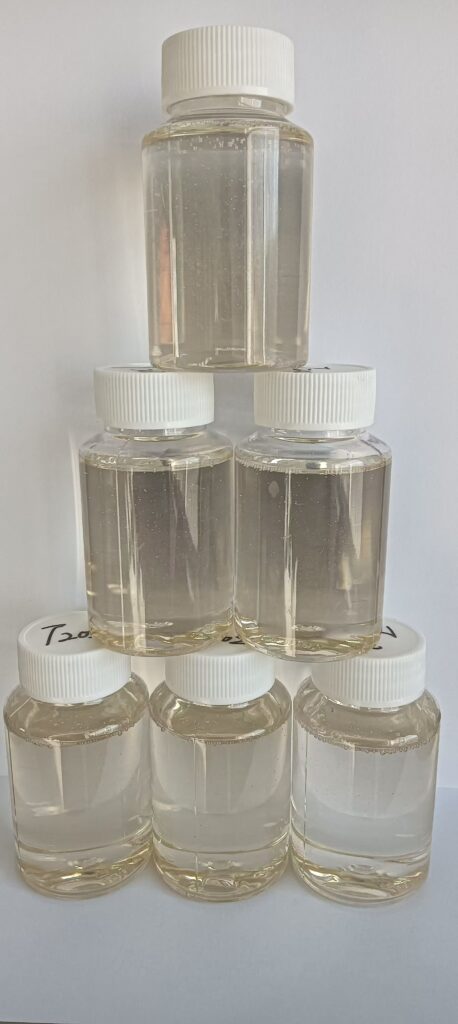
ZDDP is a multi-functional additive with antioxidant, anti-corrosion, and anti-wear properties. ZDDP is characterized by its low cost and high efficiency, and its wide application in internal combustion engine oils, anti-wear hydraulic fluids, transmission fluids, gear oils, greases, and other lubricants. Along with detergents and dispersants, it is one of the three major functional additives in automotive engine oils, providing antioxidant and anti-wear effects. ZDDP is used in large quantities, primarily in the final application of engine oils for automobiles and light trucks.
ZDDP is a high-performance anti-wear agent with mild extreme pressure properties.
Under mixed lubrication conditions, ZDDP forms a thin oil film that separates metal parts, and it reacts with these rough surfaces to reduce this contact.
When excessive load causes the oil film to completely break down, ZDDP reacts with the entire metal surface to prevent adhesion and reduce wear.
ZDDP has different alkyl types, and the alkyl type greatly affects its performance and thus its application areas. Alkyl types include secondary alkyl, primary alkyl, and alkyl aryl. The performance relationships of ZDDPs with different structures are as follows:
In terms of thermal stability: alkyl aryl > long-chain primary alkyl > short-chain primary alkyl > secondary alkyl
In terms of abrasion resistance: secondary alkyl > short-chain primary alkyl = long-chain primary alkyl > alkyl aryl
Zinc dialkyl dithiophosphate (ZDDP) exhibits different performance characteristics depending on its alkyl structure, making the correct selection of ZDDP with different structures crucial. The properties of different ZDDP structures are detailed in the table below.
| ZDDP Type | Secondary Alkyl | Short Primary Alkyl | Long Primary Alkyl | alkyl aryl |
| Oxidation resistance | Excellent | Good | Excellent | Good |
| Antiwear | Excellent | Good | Good | Poor |
| Thermal stability | Poor | Good | Excellent | Excellent |
| Hydrolytic stability | Excellent | Good | Excellent | Poor |
Short-chain primary alkyl ZDDPs are generally used in ordinary engine oils. Long-chain primary alkyl ZDDPs have excellent oxidation resistance, thermal stability, and hydrolytic stability, making them suitable for diesel engine oils, especially turbocharged diesel engine oils requiring high thermal stability. Primary and secondary alkyl ZDDPs have good oxidation resistance, extreme pressure anti-wear properties, and hydrolytic stability, making them particularly effective in inhibiting oxidation, preventing oil viscosity increase, and reducing camshaft tappet wear in high-grade gasoline engine oils. They can also be used in anti-wear hydraulic fluids. Alkyl aryl ZDDPs have good thermal stability, making them particularly suitable for turbocharged diesel engine oils, but their other properties are poor. Due to their limited performance and high cost, they have been phased out of the Chinese additive market.
ZDDP affects sulfur, phosphorus, and sulfate ash content. Reducing the amount of ZDDP added to lower its phosphorus content will affect the engine oil’s anti-wear and antioxidant properties. To mitigate the impact of ZDDP on performance, it is generally advisable to add molybdenum-containing compounds to improve anti-wear properties and to add shielding phenolic antioxidants or dialkylaniline antioxidants to improve antioxidant properties.
Currently, there is no additive that can completely replace ZDDP. Adding antioxidants with good high-temperature antioxidant properties is the main way to improve the health and wellness performance of low-phosphorus engine oils that reduce the amount of ZDDP used.
Phosphorus pentasulfide, one of the main raw materials for ZDDP production, has been in short supply in recent years, resulting in consistently high ZDDP prices. Recently, the war has pushed ZDDP prices to new heights. We hope the war will end soon, production will resume, and people can live and work in peace and contentment.